
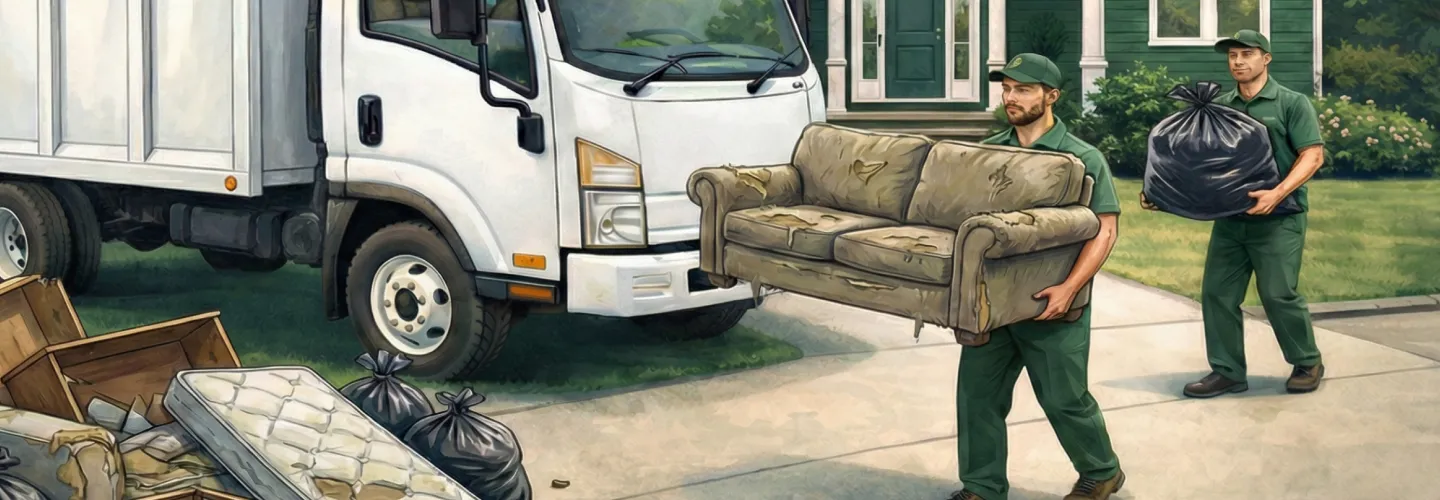
Sandy Springs Hoarding Cleanup Services
Choose our hoarding cleanup team for discreet, respectful service that restores safety, comfort, and peace of mind to your home—because you deserve a fresh start with trusted professionals.
Get a Free QuoteOur Sandy Springs Junk Removal Services
Hoarding Cleanup in Sandy Springs, GA – Local Service Guide
Hoarding cleanup in Sandy Springs, GA requires a sensitive, thorough approach tailored to local needs. Whether you’re in Riverside, Dunwoody Panhandle, or North Springs, residents often seek help after major life events, seasonal changes, or property transitions. For residential items like furniture, mattresses, and appliances, triggers include spring cleanouts, estate transitions, or replacing old items. Local donation centers and recycling programs offer responsible disposal, but large items—like hot tubs or pianos—may need special handling due to access or weather. In residential spaces such as garages, basements, or yards, cleanup is often driven by storm debris, flooding (especially near the Chattahoochee), or annual yard cycles. Commercial properties in areas like Roswell Road or Perimeter Center face unique challenges: offices and restaurants may require discreet, after-hours service, while warehouses and medical facilities often generate higher volumes and need strict coordination. Specialty cleanups—foreclosures, estates, or construction debris—demand careful planning, city permit checks, and coordination with property managers. For local rules and resources, visit the Sandy Springs Works page.
Key Considerations for Hoarding Cleanup in Sandy Springs
- Timing cleanouts around seasonal weather and local events
- Securing necessary permits for large-scale or specialty removals
- Choosing proper disposal or recycling channels for different item types
- Navigating property access in neighborhoods with limited entry or steep driveways
- Estimating volume and scheduling appropriate equipment
- Coordinating with city services and property managers for efficient, compliant cleanup
Benefits of Hoarding Cleanup in Sandy Springs
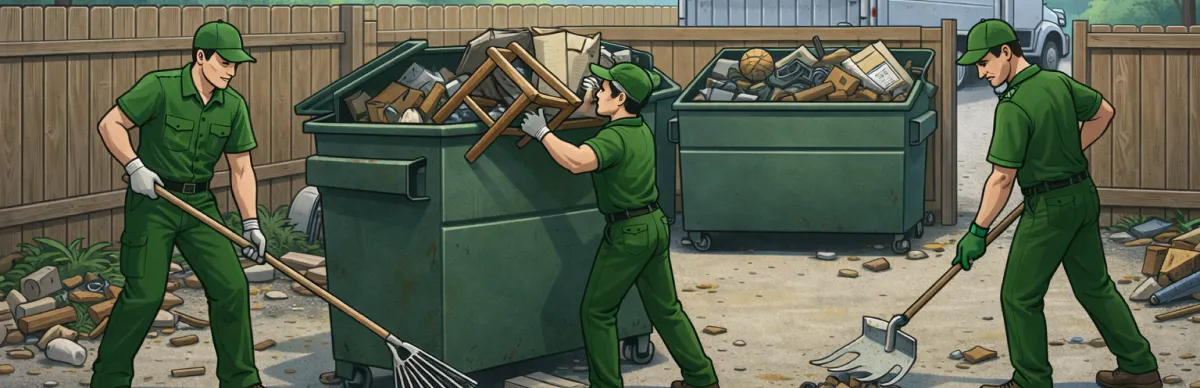
Professional Hoarding Cleanup Experts
Discreet and Compassionate Service
Fast Response Times
Thorough Sanitization and Odor Removal
Customized Cleanup Plans
Licensed and Insured Team
Coordinating Hoarding Cleanup with Sandy Springs Code Enforcement and Community Development
Hoarding situations in Sandy Springs frequently involve code compliance concerns that require coordination with municipal authorities before cleanup begins. The City of Sandy Springs Community Development department oversees code enforcement, addressing property maintenance violations, structural hazards, and health-related complaints that commonly accompany hoarding conditions. Residents or neighbors may initiate cases through the city's reporting system, and cleanup efforts should align with any active code enforcement orders.
- Property maintenance violations may include obstructed egress, pest infestations, and exterior accumulation visible from public rights-of-way
- Structural concerns such as floor load stress from excessive weight require inspection before large-scale removal begins
- Fire hazard abatement orders from the Sandy Springs Fire Department may mandate clearing of blocked exits and pathways
- Timeline compliance is critical — code enforcement orders typically specify deadlines for remediation, and failure to comply may result in fines or legal action
- Permit requirements for any renovation or structural repair following cleanup must be obtained through Sandy Springs Building & Construction
Sandy Springs Community Development
1 Galambos Way, Sandy Springs, GA 30328
Phone: (770) 730-5600
Official Website: Sandy Springs Community Development
Biohazard and Hazardous Material Disposal Requirements for Sandy Springs Hoarding Cases
Hoarding environments frequently contain biohazardous materials, expired chemicals, and other hazardous waste that cannot be disposed of through standard residential waste collection. Georgia law requires that hazardous waste be handled separately from municipal solid waste, and the Georgia Environmental Protection Division (GA EPD) regulates proper disposal under the Georgia Comprehensive Solid Waste Management Act. Sandy Springs residents must use designated hazardous waste collection programs operated by Fulton County for items commonly found in hoarding situations.
- Biohazardous materials including animal waste, bodily fluids, and contaminated items require licensed biohazard remediation contractors and must not enter the regular waste stream
- Household hazardous waste such as old paint, solvents, pesticides, and cleaning chemicals should be taken to Fulton County's periodic Household Hazardous Waste collection events
- Expired medications must be disposed of through DEA-authorized collection sites or pharmacy take-back programs — never placed in household trash
- Sharps and needles require puncture-resistant containers and must be brought to approved collection points
- Lead paint debris in pre-1978 homes must follow EPA Renovation, Repair, and Painting Rule requirements, including use of certified renovators
Workers handling biohazardous materials must use appropriate personal protective equipment including respirators, gloves, and protective suits in accordance with OSHA bloodborne pathogen standards (29 CFR 1910.1030).
Georgia Environmental Protection Division
2 Martin Luther King Jr. Drive SE, Suite 1456, Atlanta, GA 30334
Phone: (404) 656-4713
Official Website: Georgia Environmental Protection Division
Sandy Springs Stormwater and Environmental Protections During Hoarding Debris Removal
Large-scale hoarding cleanup projects generate significant volumes of debris that must be managed to prevent environmental contamination. The City of Sandy Springs maintains strict stormwater management and natural resource protection programs that apply during cleanup operations, particularly when materials are staged outdoors or transported from the property.
- Debris staging areas must not block storm drains, drainage ditches, or waterways — loose materials can wash into the Chattahoochee River watershed during rain events
- Liquid waste including old paints, oils, and chemicals must never be poured into storm drains, which flow directly to local streams without treatment
- Dust and particulate control may be necessary during large removals to prevent airborne contamination in neighboring properties
- Yard waste separation is required — organic materials such as leaves, branches, and landscaping debris accumulated in hoarding situations must be separated from household waste per city guidelines available through Sandy Springs Tree Protection & Yard Maintenance
- Soil contamination from long-term chemical storage or leaking containers may require environmental assessment before property restoration
Cleanup contractors should implement erosion and sediment control measures when staging large volumes of material outdoors, consistent with Sandy Springs's municipal stormwater ordinance requirements.
Recycling, Donation, and Material Recovery Options for Hoarding Cleanouts in Sandy Springs
Hoarding cleanup projects often yield large quantities of salvageable items including furniture, electronics, clothing, and household goods. Georgia does not currently have a statewide e-waste landfill ban or mattress EPR program, but responsible material diversion remains an important component of compliant cleanup operations. Sandy Springs is served by Fulton County's recycling infrastructure, and several material recovery options are available.
- Electronics recycling — computers, televisions, and peripherals should be diverted from landfills and taken to Fulton County's designated e-waste collection events or certified electronics recyclers in the metro Atlanta area
- Appliance disposal — refrigerators, air conditioners, and other units containing refrigerants require certified recovery per EPA Section 608 regulations before disposal
- Furniture and household goods in usable condition may be donated to organizations such as local Habitat for Humanity ReStore locations or Goodwill centers serving the Sandy Springs area
- Scrap metal recovery — metal items including appliances, shelving, and fixtures can be separated for scrap recycling, diverting weight from landfills
- Textiles and clothing should be bagged separately for donation or textile recycling rather than placed in general waste
- Paper and cardboard accumulations common in hoarding situations are recyclable through standard curbside recycling programs
Sorting materials on-site before transport reduces disposal costs and supports Fulton County's waste diversion objectives.
Post-Cleanup Property Inspection and Restoration Coordination in Sandy Springs
After hoarding debris removal is complete, properties frequently require inspection, repair, and restoration before they can be safely reoccupied. Sandy Springs's Building & Construction department oversees permits and inspections for any structural repairs, plumbing or electrical work, and renovation activities that follow cleanup.
- Building permits are required for structural repairs, electrical rewiring, plumbing replacement, and HVAC system work commonly needed after severe hoarding conditions
- Mold remediation may be necessary in properties where moisture damage occurred beneath accumulated materials — Georgia does not currently license mold remediators at the state level, but industry standards (IICRC S520) should be followed
- Pest control treatment for rodents, insects, and other infestations revealed during cleanup should be performed by licensed Georgia pest control operators before restoration begins
- Fire safety inspection may be requested through the Sandy Springs Fire Department to verify that smoke detectors, egress routes, and fire suppression systems are functional
- Occupancy verification — if a code enforcement case initiated the cleanup, a follow-up inspection by Sandy Springs Community Development may be required to confirm compliance and close the case
Sandy Springs Building & Construction
1 Galambos Way, Sandy Springs, GA 30328
Phone: (770) 730-5600
Official Website: Sandy Springs Building & Construction
What Neighborhoods Do We Serve Throughout Sandy Springs, GA?
- River Springs: This established neighborhood features single-family homes built in the 1960s–1980s, many with narrow interior hallways and limited staging space in front yards. Pre-1978 construction may require lead paint assessment during hoarding cleanup involving wall or trim disturbance.
- Riverside: Located near the Chattahoochee River, properties in this area require careful attention to stormwater protections during debris staging. Mature tree canopy and winding streets may limit large truck access for bulk material removal.
- North Springs: A mix of townhomes and single-family residences with HOA-governed communities that may require advance notification and approval before exterior debris staging or extended cleanup operations.
- Dunwoody Place: Older ranch-style homes with attached garages frequently involved in hoarding situations. Wide driveways generally accommodate cleanup vehicle access, though interior doorways may be narrower than modern construction standards.
- Mount Vernon: Features larger estate-style properties with longer driveways and greater privacy, which can delay neighbor-reported code enforcement cases. Multi-level homes may require stairwell navigation for heavy item removal.
- Spalding Drive Corridor: A commercial and residential mixed-use area where hoarding cleanup in multi-family units requires coordination with property management, service elevator scheduling, and compliance with building access protocols.