
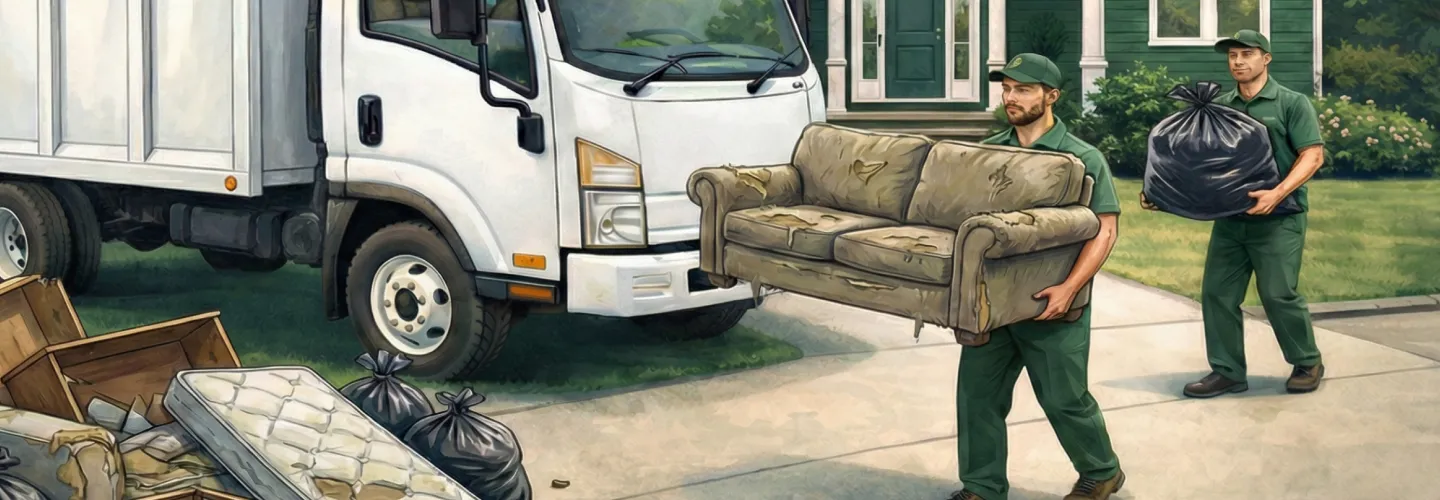
Sandy Springs Hospitality Junk Removal Services
Choose our Hospitality Junk Removal for fast, discreet, and eco-friendly service that keeps your business welcoming and clutter-free—so you can focus on your guests, not the mess.
Get a Free QuoteOur Sandy Springs Junk Removal Services
Hospitality Junk Removal in Sandy Springs, GA – Local Service Guide
Hospitality junk removal in Sandy Springs, GA, requires a tailored approach for both residential and commercial clients. In neighborhoods like Riverside and Dunwoody Panhandle, residents often need removal of furniture, mattresses, or appliances during seasonal cleanouts, home renovations, or after major life events. Local weather and property layouts—such as steep driveways or dense tree coverage—can impact logistics, especially for large items or yard waste. For residential spaces like garages, basements, or yards, spring and fall are peak times for cleanouts, while storm debris and flooding in areas near the Chattahoochee River may require urgent attention.
Commercial properties in areas like Perimeter Center and Roswell Road face unique challenges. Hospitality venues, restaurants, and offices often need discreet, after-hours removal of bulk items or renovation debris, with strict timing and volume requirements. Specialty services—such as dumpster rentals, estate cleanouts, or construction debris removal—demand careful planning and coordination, especially for foreclosures or hoarding situations. Always check local rules and resources for proper disposal and recycling options.
Key Considerations for Hospitality Junk Removal in Sandy Springs
- Timing around seasonal cleanouts, storms, and renovations
- Access challenges in hilly or wooded neighborhoods
- Proper permits for large-scale or specialty removals
- Disposal and recycling channels for different item types
- Coordination with property managers or HOAs
- Volume and category-specific handling requirements
Benefits of Hospitality Junk Removal in Sandy Springs
Fast Turnaround Times
Eco-Friendly Disposal
Licensed and Insured Team
Flexible Scheduling Options
Discreet and Professional Service
Comprehensive Cleanout Solutions
Coordinating Hospitality Junk Removal with Sandy Springs Public Works and Waste Services
Hospitality properties in Sandy Springs—including hotels, conference centers, and extended-stay facilities—generate substantial volumes of waste during renovations, furnishing upgrades, and seasonal turnovers. Sandy Springs operates under a contracted solid waste model, meaning commercial properties must arrange private hauling services that comply with municipal code. All commercial waste haulers operating within city limits must maintain proper licensing and adhere to local ordinances governing collection hours, vehicle routes, and disposal documentation.
- Commercial haulers must hold a valid business license through Sandy Springs Community Development
- Noise ordinances restrict collection activities during early morning and late evening hours in residential-adjacent zones
- Bulk item removal from hospitality properties requires advance coordination to avoid code enforcement violations
- Improper curbside staging of furniture, mattresses, or fixtures may result in citations from code compliance officers
Sandy Springs Community Development
1 Galambos Way, Sandy Springs, GA 30328
Phone: (770) 730-5600
Official Website: Sandy Springs Community Development
Property managers should confirm hauler credentials and verify that disposal manifests are maintained for regulatory audits.
Georgia Solid Waste Management Act Compliance for Hospitality Disposal Projects
All hospitality junk removal activities in Sandy Springs must comply with the Georgia Comprehensive Solid Waste Management Act (O.C.G.A. § 12-8-20 et seq.), which establishes statewide standards for waste handling, transportation, and disposal. The Georgia Environmental Protection Division (GA EPD) oversees enforcement and permitting for solid waste facilities that receive hospitality-generated materials such as commercial furniture, carpeting, appliances, and electronic equipment.
- Hazardous materials including fluorescent lighting ballasts, cleaning solvents, and refrigerants must be separated from general waste streams before transport
- Appliances containing refrigerants require certified recovery under EPA Section 608 regulations prior to disposal
- Lead-containing paint in pre-1978 hospitality structures must be handled according to the EPA Renovation, Repair, and Painting Rule
- Construction and demolition debris from hospitality renovations must be transported to permitted C&D landfills or recycling facilities
- Manifest documentation should accompany all loads to verify proper disposal at GA EPD-permitted facilities
Hospitality operators should retain disposal records for a minimum of three years to demonstrate compliance during inspections.
Sandy Springs Building Permit and Code Compliance Requirements for Hospitality Renovation Debris
Hospitality renovation projects that generate junk removal needs often require building permits through the Sandy Springs Building and Construction Division. Interior demolition of hotel rooms, lobby areas, banquet halls, or kitchen facilities may trigger permit requirements depending on the scope of structural modifications. Code compliance officers may inspect properties before and after removal activities to verify that work aligns with approved plans and that debris staging does not create safety hazards.
- Building permits are required for structural demolition, electrical or plumbing removal, and load-bearing wall modifications
- Fire code clearances must be maintained during debris staging—minimum five-foot clearance from exits and fire suppression equipment
- Asbestos surveys are recommended for hospitality buildings constructed before 1980; friable asbestos requires licensed abatement
- Debris staging areas must not obstruct fire lanes, ADA-accessible routes, or emergency vehicle access
Sandy Springs Building & Construction
1 Galambos Way, Sandy Springs, GA 30328
Phone: (770) 730-5600
Official Website: Sandy Springs Building & Construction
Hospitality managers should submit permit applications well in advance of scheduled removal dates to avoid project delays.
Recycling and Material Recovery Options for Sandy Springs Hospitality Properties
Sandy Springs encourages waste diversion through recycling and donation programs that hospitality properties can leverage during junk removal projects. Furniture, fixtures, and equipment (FF&E) in serviceable condition may be donated to local nonprofit organizations, reducing landfill burden and supporting community reuse initiatives. Fulton County operates recycling drop-off centers that accept metals, cardboard, and certain electronics generated during hospitality cleanouts.
- Metal bed frames, shelving, and fixtures can be directed to scrap metal recyclers for material recovery
- Mattresses and box springs should be separated for recycling where facilities exist; Georgia does not have a mandatory mattress EPR program, so disposal fees may apply at permitted facilities
- Electronics including televisions, computers, and point-of-sale equipment should be recycled through certified e-waste processors; while Georgia lacks a statewide e-waste landfill ban, responsible disposal is strongly encouraged
- Cardboard, packaging materials, and pallets from hospitality supply deliveries are widely accepted at recycling facilities
- Textile recycling for linens, curtains, and upholstery may be available through specialty processors
Sandy Springs Natural Resource Protection
1 Galambos Way, Sandy Springs, GA 30328
Phone: (770) 730-5600
Official Website: Sandy Springs Natural Resource Protection
Documenting diversion rates supports sustainability reporting and may satisfy corporate environmental commitments.
Stormwater Protection and Environmental Safeguards During Hospitality Junk Removal
Hospitality junk removal projects in Sandy Springs must account for stormwater protection requirements, particularly when staging debris in parking lots, loading docks, or outdoor areas. The Sandy Springs Stormwater Program enforces pollution prevention measures to protect local waterways, including the Chattahoochee River corridor and tributary streams. Improperly staged waste materials can introduce pollutants into storm drains during rain events, resulting in environmental violations and fines.
- Debris staging areas should be covered or contained to prevent wind-blown litter and rainwater contamination
- Liquid waste from discarded appliances, cleaning supplies, or kitchen equipment must never enter storm drains
- Carpet and padding removal may release particulates; containment measures should be used near exterior drainage points
- Paint, solvents, and chemical cleaners from hospitality operations are classified as hazardous waste and must be disposed of through Fulton County Household Hazardous Waste collection events
- Erosion and sediment controls may be required if removal activities disturb landscaped areas adjacent to stream buffers
Violations of stormwater regulations can result in significant penalties under both municipal ordinance and state environmental law.
What Neighborhoods Do We Serve Throughout Sandy Springs, GA?
- City Springs District: Sandy Springs' mixed-use downtown core features hotels and commercial properties with structured parking and loading dock access. Coordination with property management for service elevator scheduling and after-hours removal is typically required to minimize disruption to guests and retail tenants.
- Perimeter Center: This high-density commercial corridor along GA-400 includes major hotel brands and conference facilities. Multi-story properties require freight elevator reservations, and loading zone access must be coordinated to avoid conflicts with adjacent office building traffic.
- Riverside: Residential and hospitality properties near the Chattahoochee River may fall within stream buffer zones, requiring additional environmental precautions during debris staging. Access roads can be narrow, necessitating smaller vehicles for removal operations.
- North Springs: A mix of extended-stay hotels and older commercial properties characterizes this area. Buildings constructed before 1980 may require asbestos and lead paint assessments prior to renovation-related junk removal.
- Hammond Drive Corridor: Dense commercial development with hotels, restaurants, and retail creates logistical challenges including limited staging space and restricted parking. Removal scheduling during off-peak hours is advisable to maintain traffic flow.
- Mount Vernon: Established residential neighborhoods border hospitality properties in this area, requiring adherence to noise ordinances and careful truck routing to minimize community impact during removal operations.