
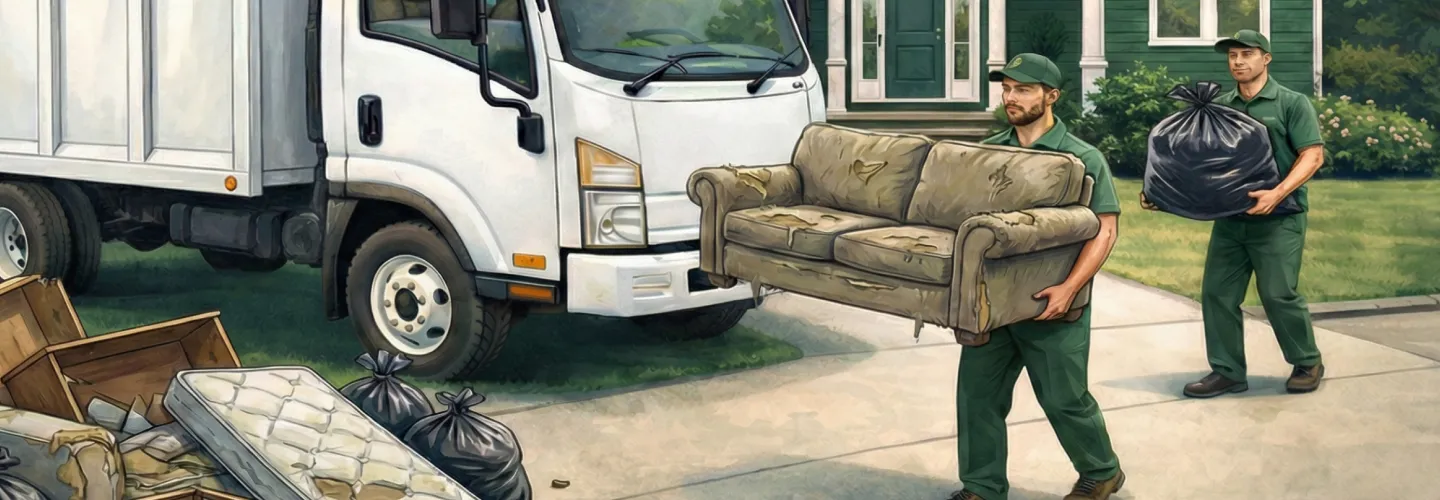
Sandy Springs Basement & Attic Cleaning Services
Choose our expert Basement & Attic Cleaning for a healthier, clutter-free home—our team removes dust, debris, and allergens, creating a safer and more comfortable living environment for your family.
Get a Free QuoteOur Sandy Springs Junk Removal Services
Basement & Attic Cleaning in Sandy Springs, GA – Local Service Guide
Basement and attic cleaning in Sandy Springs, GA is essential for maintaining healthy, organized homes—especially in neighborhoods like Riverside and Dunwoody Panhandle, where seasonal humidity and tree coverage can lead to clutter and moisture issues. Homeowners often schedule cleanouts during spring or fall, after storms, or when replacing large items like appliances or mattresses. In areas prone to flooding, such as near the Chattahoochee River, regular cleaning helps prevent mold and water damage. Items like old furniture, electronics, and scrap metal can be donated, recycled, or disposed of at local facilities, but access and weather can impact logistics. For residential spaces, cleanouts are common after yard debris accumulates or during property transitions. Commercial properties in the City Springs district may require discreet, after-hours service to minimize disruption, while specialty projects—like estate or foreclosure cleanouts—demand careful planning and coordination. For guidance on local disposal rules and resources, visit the Sandy Springs Natural Resource Protection page.
Key Considerations for Basement & Attic Cleaning in Sandy Springs
- Timing cleanouts around seasonal weather and local events
- Checking for required permits or disposal guidelines
- Using approved recycling and donation channels
- Navigating access in flood-prone or tree-covered areas
- Estimating volume for proper equipment and scheduling
- Coordinating with professionals for specialty or commercial needs
Benefits of Basement & Attic Cleaning in Sandy Springs
Improved Indoor Air Quality
Enhanced Home Safety
Increased Storage Space
Prevention of Mold and Pests
Boosted Property Value
Professional and Reliable Service
Coordinating Basement and Attic Cleanout Debris with Sandy Springs Solid Waste Services
Basement and attic cleaning projects in Sandy Springs often generate large volumes of accumulated household items, old furniture, stored boxes, and miscellaneous debris that require proper disposal coordination. Sandy Springs operates under a contracted solid waste collection model, meaning residents must work through the city's designated hauler for curbside services. Bulk item pickup typically requires advance scheduling and adherence to volume limitations per collection cycle. Residents should be aware of the following disposal guidelines:
- Bulk items such as old furniture, broken appliances, and large boxes must be scheduled separately from regular trash collection
- Loose debris from basement or attic cleanouts should be bagged or bundled; loose piles placed curbside may result in code enforcement action
- Construction-related materials (old drywall, insulation, wood framing) discovered during cleanouts are not accepted through residential curbside collection
- Items must be placed at the curb no earlier than 24 hours before the scheduled pickup date
- Hazardous materials including old paint cans, solvents, and pesticides commonly found in basements and attics are strictly prohibited from curbside disposal
Sandy Springs Works — Public Infrastructure Services
7840 Roswell Road, Sandy Springs, GA 30350
Phone: (770) 730-5600
Official Website: Sandy Springs Works
Hazardous Material Identification and Safe Handling in Sandy Springs Attic and Basement Spaces
Basements and attics in Sandy Springs homes—particularly those built before 1980—may contain hazardous materials that require specialized handling during cleanout projects. Lead-based paint, asbestos-containing insulation, vermiculite, and degraded chemical products pose significant health and environmental risks. Georgia law and federal regulations impose strict requirements on the disturbance and disposal of these materials. Key considerations include:
- Asbestos: Pipe wrap insulation, floor tiles, and vermiculite insulation in attics may contain asbestos fibers; a licensed asbestos inspector must assess suspect materials before disturbance per Georgia Rules for Asbestos Safety (Chapter 391-3-2)
- Lead paint: Homes built before 1978 may have lead-based paint on basement walls, window frames, and trim; the EPA Renovation, Repair, and Painting Rule requires certified renovators for disturbance of lead paint in pre-1978 residences
- Old chemicals: Pesticides, herbicides, pool chemicals, and automotive fluids commonly stored in basements must be disposed of through Fulton County's Household Hazardous Waste collection events
- Mold and moisture damage: Basement items exposed to chronic moisture may harbor mold; proper respiratory protection (N-95 minimum) is recommended during removal
- Rodent contamination: Attic spaces with evidence of rodent activity require careful handling to avoid exposure to hantavirus or other pathogens
Sandy Springs Community Development
7840 Roswell Road, Sandy Springs, GA 30350
Phone: (770) 730-5600
Official Website: Sandy Springs Community Development
Sandy Springs Code Compliance Requirements for Basement and Attic Debris Removal Projects
Basement and attic cleaning projects must comply with Sandy Springs municipal code enforcement standards, particularly when debris is staged outdoors, removal vehicles occupy public rights-of-way, or structural modifications are involved. The city's Community Development department oversees code compliance and building permits. Residents and contractors should observe the following regulatory requirements:
- Debris staging: Materials removed from basements or attics may not be stored on front lawns, sidewalks, or public rights-of-way for extended periods; temporary staging should not exceed the scheduled pickup window
- Building permits: If cleanout work involves removing built-in shelving, partition walls, or other structural elements, a building permit may be required through Sandy Springs Building & Construction
- Noise ordinances: Power equipment used during cleanout (e.g., reciprocating saws for dismantling shelving) must comply with Sandy Springs noise regulations, which generally restrict construction-related noise before 7:00 AM and after 9:00 PM on weekdays
- Vehicle parking: Removal trucks and trailers parked on residential streets must not obstruct traffic flow, fire hydrants, or mailbox access
- Tree protection: When staging debris near the curb, avoid damaging protected trees; Sandy Springs enforces tree protection ordinances through Sandy Springs Tree Protection & Yard Maintenance
Georgia Environmental Regulations Governing Disposal of Materials from Residential Cleanouts
Georgia's solid waste management framework, administered by the Georgia Environmental Protection Division (GA EPD), establishes statewide rules that directly affect how materials removed from basements and attics must be handled and disposed of. The Georgia Comprehensive Solid Waste Management Act (O.C.G.A. § 12-8-20 et seq.) sets requirements for waste classification, transportation, and disposal facility permitting. Residents and service providers in Sandy Springs should understand these state-level mandates:
- Electronics disposal: While Georgia does not currently enforce a statewide e-waste landfill ban, the GA EPD encourages recycling of computers, televisions, and other electronics through certified recyclers; Fulton County periodically hosts e-waste collection events
- Appliance disposal: Refrigerators, freezers, and air conditioning units found in basements require refrigerant recovery by an EPA Section 608-certified technician before disposal
- Tire disposal: Old tires stored in basements or garages are banned from Georgia landfills and must be taken to a permitted tire processor
- Batteries: Lead-acid batteries (automotive) must be recycled; retailers are required to accept returns
- Scrap metal: Metal items such as old water heaters, shelving units, and ductwork can be diverted to licensed scrap metal facilities rather than landfills
Georgia Environmental Protection Division
2 Martin Luther King Jr. Drive SE, Suite 1456, Atlanta, GA 30334
Phone: (404) 656-4713
Official Website: Georgia Environmental Protection Division
Recycling and Donation Options for Salvageable Items Found During Sandy Springs Cleanouts
Basement and attic cleanouts frequently uncover items that remain functional and suitable for donation or recycling rather than landfill disposal. Sandy Springs residents are encouraged to divert reusable materials through local programs and nonprofit organizations before scheduling bulk waste removal. Prioritizing material recovery supports Fulton County's waste diversion objectives and reduces disposal costs. Consider the following options:
- Furniture and household goods: Organizations such as Habitat for Humanity ReStore and The Salvation Army accept usable furniture, lamps, small appliances, and household items; schedule pickup or drop off during posted hours
- Clothing and textiles: Bagged clothing, linens, and curtains can be donated to local thrift stores or textile recycling bins located throughout the Sandy Springs area
- Books and media: Public library donation programs and organizations like Books for Africa accept books, DVDs, and other media in good condition
- Electronics: Functional computers, monitors, and peripherals may be accepted by Goodwill or certified e-waste recyclers for refurbishment
- Scrap metal: Old exercise equipment, metal shelving, and tools can be taken to licensed scrap yards for material recovery
- Cardboard and paper: Flatten and bundle cardboard boxes for curbside recycling collection through Sandy Springs' contracted hauler
Sandy Springs Natural Resource Protection
7840 Roswell Road, Sandy Springs, GA 30350
Phone: (770) 730-5600
Official Website: Sandy Springs Natural Resource Protection
What Neighborhoods Do We Serve Throughout Sandy Springs, GA?
- Riverside: This neighborhood features a mix of mid-century ranch homes and updated residences along the Chattahoochee River corridor. Many homes have walk-out basements with direct exterior access, which can simplify debris removal but may require attention to stormwater buffer zones during staging.
- North Springs: Predominantly single-family homes built in the 1970s and 1980s with standard basements and pull-down attic access. Older insulation materials in attics may require hazardous material assessment before disturbance, and narrow interior stairways can limit the size of items that can be carried out.
- Dunwoody Place: Townhome and condominium communities in this area often have limited attic storage and no basements. HOA regulations may restrict debris staging times and locations, requiring advance coordination with property management.
- Mount Vernon: Established residential area with larger estate-style homes featuring full basements and expansive attic spaces. Properties on cul-de-sacs provide adequate truck access, though mature tree canopy may affect overhead clearance for larger vehicles.
- Heards Ferry: Homes in this neighborhood frequently have unfinished basements used for long-term storage. Proximity to the Chattahoochee River National Recreation Area means heightened environmental sensitivity regarding debris containment and stormwater runoff prevention.
- Powers Ferry: A mix of residential and commercial properties with varying access conditions. Multi-story office buildings undergoing tenant turnover may require service elevator coordination and building management approval for cleanout operations.