
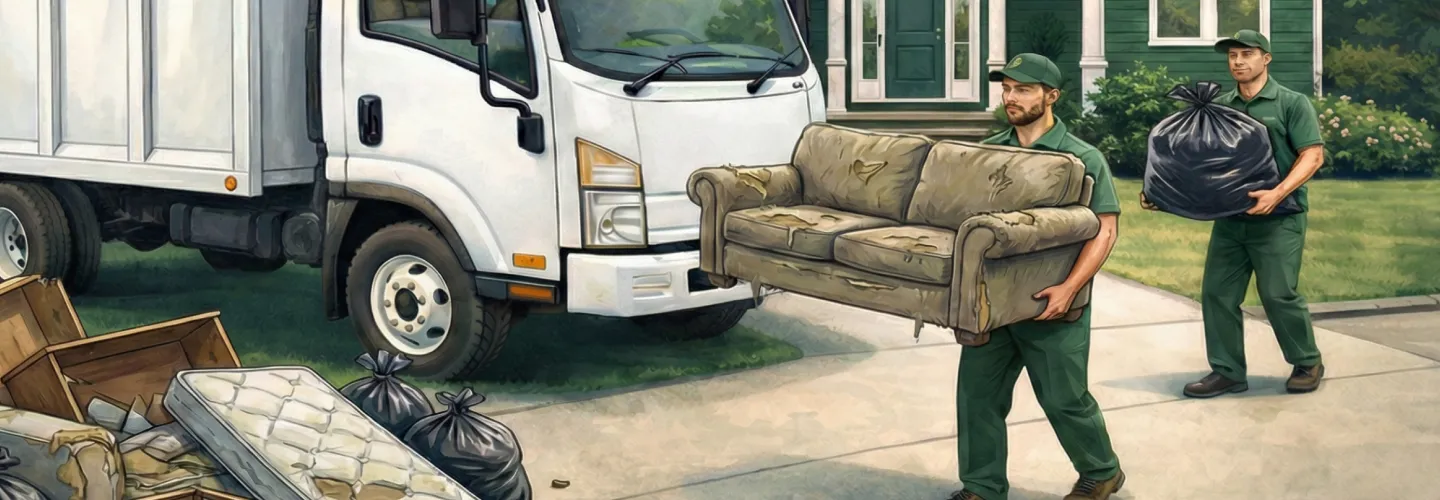
Sandy Springs Construction Debris Removal Services
Choose our Construction Debris Removal for fast, reliable, and eco-friendly service that keeps your site safe, organized, and ready for the next phase.
Get a Free QuoteOur Sandy Springs Junk Removal Services
Construction Debris Removal in Sandy Springs, GA – Local Service Guide
Construction debris removal in Sandy Springs, GA, is essential for keeping homes and businesses safe, clean, and compliant with local regulations. Whether you’re renovating a home in Riverside, clearing out a basement in Dunwoody Panhandle, or managing a commercial build near Roswell Road, timely debris removal ensures projects stay on track and neighborhoods remain attractive. For residential items like old appliances or hot tubs, removal often follows upgrades, seasonal cleanouts, or storm damage. Local options include donation, recycling, or responsible disposal, with logistics shaped by property access and weather. Residential spaces such as garages and yards require attention after storms or during spring and fall cleanouts, especially in flood-prone or tree-heavy areas. Commercial clients—offices, restaurants, and construction sites—face unique needs, from after-hours pickups to handling large volumes discreetly. Specialty services, including dumpster rentals and estate cleanouts, demand careful planning and coordination, particularly for foreclosures or hoarding cases. For guidance on permits and local requirements, visit the Sandy Springs Building & Construction page.
Key Considerations for Construction Debris Removal in Sandy Springs
- Timing projects around local weather and neighborhood schedules
- Securing necessary permits for large-scale or specialty removals
- Choosing proper disposal or recycling channels for different debris types
- Ensuring site access for trucks and equipment, especially in tight lots
- Estimating debris volume to select the right removal solution
- Coordinating with local guidelines for category-specific items
Benefits of Construction Debris Removal in Sandy Springs
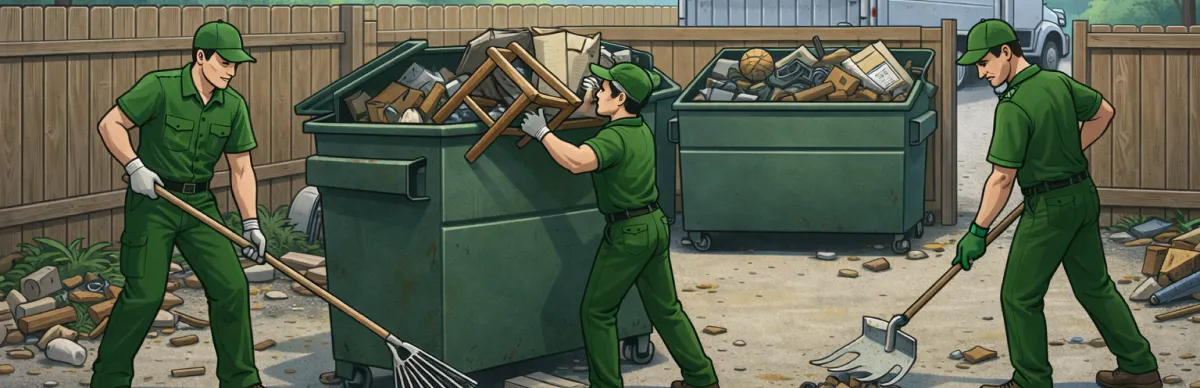
Fast Debris Cleanup
Safe Job Site Practices
Eco-Friendly Disposal
Licensed and Insured Team
Flexible Scheduling Options
Competitive Local Pricing
Sandy Springs Building Permit and Code Compliance Requirements for Construction Debris Removal
Construction and demolition projects in Sandy Springs require proper permitting before debris removal can begin. The city's Community Development Department oversees building permits, demolition permits, and code compliance for all residential and commercial construction activities. Before initiating any renovation or demolition work that generates debris, property owners and contractors must secure the appropriate permits and ensure that waste removal plans comply with local ordinances.
- Building permits are required for structural renovations, additions, and demolitions that produce construction waste
- Demolition permits must be obtained before any teardown activity; asbestos surveys may be required for structures built before 1980
- Code compliance inspections verify that debris is properly contained on-site and not deposited on public rights-of-way without authorization
- Contractor licensing is required for all commercial haulers transporting construction debris within city limits
- Failure to obtain proper permits may result in stop-work orders and municipal fines
Property owners should contact the city's Building and Construction division to confirm permit requirements specific to their project scope before scheduling debris removal.
Sandy Springs Building & Construction
1 Galambos Way, Sandy Springs, GA 30328
Phone: (770) 730-5600
Official Website: Sandy Springs Building & Construction
Georgia's Solid Waste Management Act and Construction Debris Disposal Standards
Georgia regulates construction and demolition (C&D) waste under the Georgia Comprehensive Solid Waste Management Act (O.C.G.A. § 12-8-20), which establishes disposal standards, facility permitting, and enforcement mechanisms for all solid waste streams, including construction debris. The Georgia Environmental Protection Division (GA EPD) oversees compliance at the state level and issues permits for C&D landfills and processing facilities.
- Construction and demolition debris includes concrete, lumber, drywall, roofing materials, brick, metal, glass, and plumbing fixtures
- Georgia requires C&D waste to be disposed of at permitted solid waste facilities — illegal dumping carries penalties of up to $1,000 per day per violation for individuals and $25,000 per day for commercial entities
- Inert waste landfills accept clean concrete, brick, and soil but prohibit mixed C&D loads containing wood, drywall, or painted materials
- Haulers transporting construction debris must cover loads during transit to prevent roadway littering, per Georgia DOT regulations
- Asbestos-containing materials must be handled by licensed abatement contractors and disposed of at facilities permitted to accept regulated asbestos waste under EPA NESHAP regulations
Contractors and property owners in Sandy Springs should verify that their chosen disposal facility holds a valid GA EPD solid waste handling permit before transporting debris off-site.
Material Sorting and Separation Requirements for Sandy Springs Construction Projects
Proper sorting and separation of construction debris is essential for regulatory compliance and environmental stewardship. Sandy Springs encourages diversion of recyclable construction materials from landfills, and several regional facilities accept separated C&D materials for processing and reuse. Sorting debris on-site before transport reduces disposal costs and supports Georgia's waste reduction goals.
- Concrete, brick, and masonry should be separated for crushing and reuse as aggregate; several Fulton County facilities accept clean concrete at reduced rates
- Scrap metal — including steel framing, copper pipe, aluminum flashing, and rebar — should be segregated for recycling at licensed scrap yards
- Clean wood (unpainted, untreated lumber) may be accepted at wood recycling facilities for mulching or biomass processing; treated or painted wood requires standard C&D landfill disposal
- Drywall and gypsum board can be recycled at select facilities but must be free of mold, lead paint, and asbestos contamination
- Roofing shingles (asphalt) are accepted at certain recycling processors for road paving applications
- Hazardous materials — including lead-based paint debris, asbestos, chemical containers, and fluorescent lighting — must be separated and disposed of through licensed hazardous waste handlers
Contractors working in Sandy Springs should establish on-site sorting stations with clearly labeled containers for each material stream to facilitate compliant disposal and maximize diversion from landfills.
Stormwater Protection and Environmental Compliance During Debris Removal in Sandy Springs
Sandy Springs maintains rigorous stormwater management and natural resource protection standards that directly affect construction debris removal operations. The city's Stormwater Program and Natural Resource Protection division enforce erosion control, sediment management, and pollution prevention requirements on all construction sites generating debris.
- Erosion and sediment control plans are required for land-disturbing activities; debris staging areas must include silt fencing, inlet protection, and stabilized access points
- Construction debris must not be placed within city stream buffers (typically 50–75 feet from waterways), and materials must be stored to prevent runoff contamination
- Washout areas for concrete trucks and equipment must be contained and cannot discharge into storm drains or surface waters
- Debris piles must be covered or contained during rain events to prevent sediment-laden runoff from entering the municipal stormwater system
- Violations of stormwater ordinances may result in stop-work orders, fines, and required remediation at the property owner's expense
- The city conducts site inspections during active construction to verify compliance with erosion control and debris management requirements
Sandy Springs Stormwater Program
1 Galambos Way, Sandy Springs, GA 30328
Phone: (770) 730-5600
Official Website: Sandy Springs Stormwater Program
Sandy Springs Natural Resource Protection
1 Galambos Way, Sandy Springs, GA 30328
Phone: (770) 730-5600
Official Website: Sandy Springs Natural Resource Protection
Lead Paint and Asbestos Safety Protocols for Sandy Springs Renovation Debris
Renovation and demolition projects in Sandy Springs — particularly in structures built before 1978 — may generate debris containing lead-based paint or asbestos, both of which require specialized handling under federal and state regulations. The EPA Renovation, Repair, and Painting (RRP) Rule mandates lead-safe work practices for all work disturbing painted surfaces in pre-1978 residential and child-occupied buildings.
- Lead-based paint debris (including painted wood trim, window components, and plaster) must be collected using lead-safe containment methods and disposed of as regulated waste
- Contractors performing lead-disturbing work must hold EPA RRP certification and follow prescribed containment, cleanup, and verification procedures
- Asbestos surveys are recommended for buildings constructed before 1980; common asbestos-containing materials include floor tiles, pipe insulation, popcorn ceilings, and transite siding
- Friable asbestos (material that can be crumbled by hand) must be removed by a Georgia-licensed asbestos abatement contractor and disposed of at a facility permitted to accept regulated asbestos waste
- Non-friable asbestos materials must still be handled carefully to avoid disturbance and may require special disposal documentation
- Georgia requires 10-day advance notification to GA EPD before demolition or renovation activities involving asbestos in commercial structures
Property owners in Sandy Springs should arrange for professional testing before beginning renovation work on older structures to identify hazardous materials and ensure compliant debris disposal.
What Neighborhoods Do We Serve Throughout Sandy Springs, GA?
- River Springs: This established residential area features single-family homes dating to the 1960s and 1970s, where renovation projects frequently generate debris containing older building materials. Narrow lot configurations may require careful staging of debris removal equipment along residential streets.
- Riverside: Located along the Chattahoochee River corridor, construction projects in this neighborhood must comply with enhanced stream buffer requirements and stormwater protections. Debris removal operations near waterways require additional erosion control measures.
- North Springs: A mix of townhome communities and single-family residences with active renovation and remodeling activity. HOA regulations in several subdivisions may impose restrictions on debris staging, hauling schedules, and on-site storage duration.
- Hammond Drive Corridor: This commercial and mixed-use district generates significant construction debris from tenant buildouts, office renovations, and retail space reconfigurations. Loading dock access and coordination with property management are typically required for debris removal.
- Mount Vernon: Featuring larger residential lots and mature tree canopy, construction debris removal in this area requires attention to tree protection ordinances and driveway access for heavy equipment. The city's Tree Protection program may apply to projects near protected trees.
- Dunwoody Place: A neighborhood of mid-century homes undergoing frequent updates and additions, where demolition debris may include materials requiring hazardous material screening. Street widths generally accommodate standard removal vehicles without special permitting.