
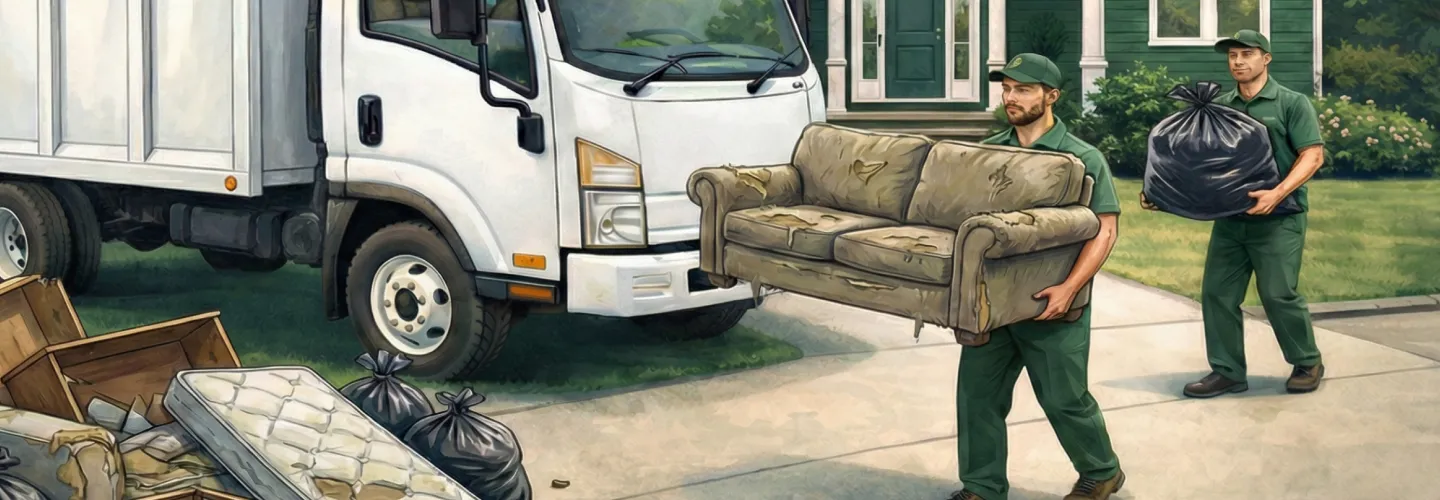
Sandy Springs Shed Removal Services
Choose our shed removal service for reliable, efficient, and eco-friendly solutions—our experienced team handles everything from dismantling to disposal, saving you time and effort while ensuring your property is left clean and clutter-free.
Get a Free QuoteOur Sandy Springs Junk Removal Services
Shed Removal in Sandy Springs, GA – Local Service Guide
Shed removal in Sandy Springs, GA, is often prompted by home upgrades, storm damage, or the need to reclaim yard space in neighborhoods like Riverside and Dunwoody Panhandle. Many residents schedule shed removal during spring cleanouts or after replacing old storage units. Local disposal options include recycling metal components, donating usable materials, or arranging for responsible disposal through city-approved services. Access can be a challenge in properties with limited driveway space or dense tree coverage, especially after heavy rains. For larger or older sheds, professional removal ensures safe dismantling and compliance with local regulations. Residents should check for any required permits and coordinate with city services for proper disposal. For more information on local rules and resources, visit the Sandy Springs Building & Construction page.
Key Considerations for Shed Removal in Sandy Springs
- Timing: Plan around spring/fall cleanouts or post-storm repairs
- Permits: Check city requirements for demolition or disposal
- Disposal Channels: Use recycling, donation, or city-approved waste services
- Access: Consider driveway width, tree coverage, and weather conditions
- Volume: Assess shed size and material type for proper handling
- Coordination: Schedule with professionals for safe, efficient removal
Benefits of Shed Removal in Sandy Springs
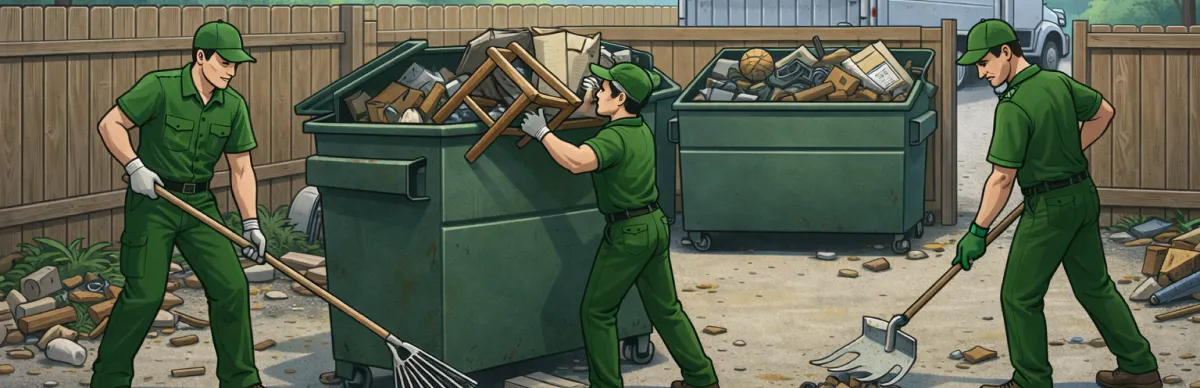
Fast Shed Removal Services
Eco-Friendly Disposal Solutions
Licensed and Insured Team
Transparent Upfront Pricing
Flexible Scheduling Options
Safe and Hassle-Free Process
Coordinating Shed Demolition Debris Disposal with Sandy Springs Public Works
Shed removal in Sandy Springs generates significant demolition debris, including wood framing, roofing materials, metal fasteners, and concrete foundation remnants. Proper disposal of these materials requires coordination with the city's public infrastructure services division. Sandy Springs does not operate a municipal transfer station; instead, residents must arrange for debris hauling to Fulton County facilities or use licensed private haulers. Key considerations for shed removal debris include:
- Wood and lumber must be separated from metal hardware, nails, and screws before disposal
- Concrete slabs and footings are classified as inert construction debris and may require separate hauling
- Roofing shingles containing asphalt must be directed to approved construction and demolition (C&D) landfills
- Treated lumber (pressure-treated, painted, or stained) cannot be burned and requires landfill disposal
- Debris must not be placed in the public right-of-way without authorization
Residents should contact Sandy Springs Works for guidance on approved hauling routes and any street access restrictions during removal projects.
Sandy Springs Works
7840 Roswell Road, Sandy Springs, GA 30350
Phone: (770) 730-5600
Official Website: Sandy Springs Works
Sandy Springs Building Permit and Code Compliance Requirements for Shed Demolition
Before initiating shed removal, Sandy Springs property owners must determine whether a demolition permit is required. The city's Building and Construction Department oversees permits for structural demolition, including accessory buildings such as sheds, detached garages, and outbuildings. Permit requirements generally depend on the shed's size, construction type, and whether it was originally permitted. Important regulatory steps include:
- Structures exceeding 200 square feet typically require a demolition permit application through the Community Development Department
- Zoning verification should be completed to confirm no variances or conditions are tied to the accessory structure
- Utility disconnection must be confirmed if the shed has electrical wiring, plumbing, or gas connections
- Asbestos inspection may be required for sheds built before 1980, particularly those with older siding or roofing materials
- Code enforcement may issue violations if debris is left on-site beyond the permitted project timeline
Property owners should submit permit applications through the city's development services portal and allow adequate processing time before scheduling demolition work.
Sandy Springs Community Development
7840 Roswell Road, Sandy Springs, GA 30350
Phone: (770) 730-5600
Official Website: Sandy Springs Community Development
Georgia Solid Waste Management Act Compliance for Shed Removal Debris
Shed demolition debris in Sandy Springs must be managed in accordance with the Georgia Comprehensive Solid Waste Management Act (O.C.G.A. § 12-8-20) and regulations enforced by the Georgia Environmental Protection Division (GA EPD). Georgia classifies shed demolition materials as construction and demolition (C&D) waste, which is subject to specific disposal requirements distinct from municipal solid waste. Key state-level compliance obligations include:
- C&D debris must be transported to facilities permitted to accept construction waste; standard residential curbside collection does not cover demolition materials
- Hazardous materials such as lead-based paint, asbestos-containing materials, and chemical residues from stored pesticides or fuels must be handled separately under Georgia hazardous waste regulations
- Illegal dumping of shed debris on vacant lots, stream buffers, or public land carries penalties under Georgia law, including fines up to $25,000 per day of violation
- Haulers transporting C&D waste commercially must maintain proper licensing and direct loads to permitted disposal facilities
- Burning of demolition debris is prohibited within Sandy Springs city limits under local fire codes and Fulton County air quality regulations
Georgia Environmental Protection Division
2 Martin Luther King Jr. Drive SE, Suite 1456, Atlanta, GA 30334
Phone: (404) 656-4713
Official Website: Georgia Environmental Protection Division
Stormwater Protection and Environmental Safeguards During Shed Removal in Sandy Springs
Sandy Springs maintains rigorous stormwater management standards that directly affect shed removal projects. The city's Stormwater Program and Natural Resource Protection division enforce regulations designed to prevent construction debris, sediment, and pollutants from entering local waterways, including the Chattahoochee River watershed. Property owners and contractors must implement erosion and sediment controls during demolition activities. Critical environmental compliance measures include:
- Silt fencing or erosion barriers should be installed around the demolition area if the shed is located near a drainage swale, stream buffer, or stormwater inlet
- Debris containment is required to prevent nails, wood fragments, roofing granules, and other materials from washing into storm drains during rain events
- Stream buffer encroachment — sheds located within 50 feet of a stream or waterway may require additional review before removal under Sandy Springs buffer ordinances
- Chemical spill prevention is essential when removing sheds that stored paints, solvents, gasoline, or lawn chemicals; absorbent materials should be on-site during demolition
- Exposed soil from foundation removal must be stabilized with seed, sod, or mulch within 14 days to prevent erosion
Failure to comply with stormwater regulations may result in stop-work orders and fines issued by the city's code enforcement division.
Recycling and Material Recovery Options for Shed Demolition Debris in Sandy Springs
Diverting shed demolition materials from landfills supports both environmental stewardship and compliance with Georgia's waste reduction goals. Sandy Springs residents should prioritize material separation and recycling when dismantling sheds. Many shed components retain value and can be directed to appropriate recovery channels. Recyclable and reusable materials commonly found in shed demolition include:
- Scrap metal — hinges, brackets, roofing panels, and steel framing can be taken to local scrap metal recyclers in the greater Atlanta area
- Untreated lumber in good condition may be accepted by Habitat for Humanity ReStore or similar reuse organizations for donation
- Concrete and masonry from foundations can be processed at C&D recycling facilities that accept inert materials for crushing and reuse as aggregate
- Vinyl siding and windows may be recyclable at specialized facilities, though availability varies
- Roofing shingles — some asphalt shingle recycling programs operate in the metro Atlanta region, converting materials into road paving aggregate
Residents should confirm acceptance criteria with individual facilities before transporting materials. Hazardous items such as treated lumber, lead paint debris, and containers with chemical residues must be separated and directed to Fulton County's Household Hazardous Waste collection events rather than standard recycling streams. Contact the EPA Region 4 office for guidance on federal hazardous waste disposal standards applicable to demolition projects.
What Neighborhoods Do We Serve Throughout Sandy Springs, GA?
- River Springs — Properties in this neighborhood often feature wooded lots with mature tree canopy, which may require careful equipment positioning during shed removal. Proximity to the Chattahoochee River corridor means strict stream buffer compliance is essential for any demolition work near waterways.
- Riverside — Established single-family homes in Riverside frequently have older accessory structures that may contain asbestos siding or lead-based paint, requiring pre-demolition hazardous material assessments before removal can proceed.
- North Springs — This area includes a mix of residential properties with varying lot sizes. Larger lots may accommodate equipment access for shed demolition, while properties on cul-de-sacs may present turning radius limitations for hauling vehicles.
- Dunwoody Place — Homes in this community are often governed by homeowners association covenants that may require advance written approval before shed demolition, including specifications for debris management and project timelines.
- Mount Vernon — Properties near the historic Hammond Drive corridor may face access constraints due to higher traffic volumes and limited street parking for removal trucks during weekday hours.
- Spalding Corner — This neighborhood features newer construction with wider driveways and more accessible lot configurations, generally allowing straightforward equipment staging for shed removal and debris loading operations.