
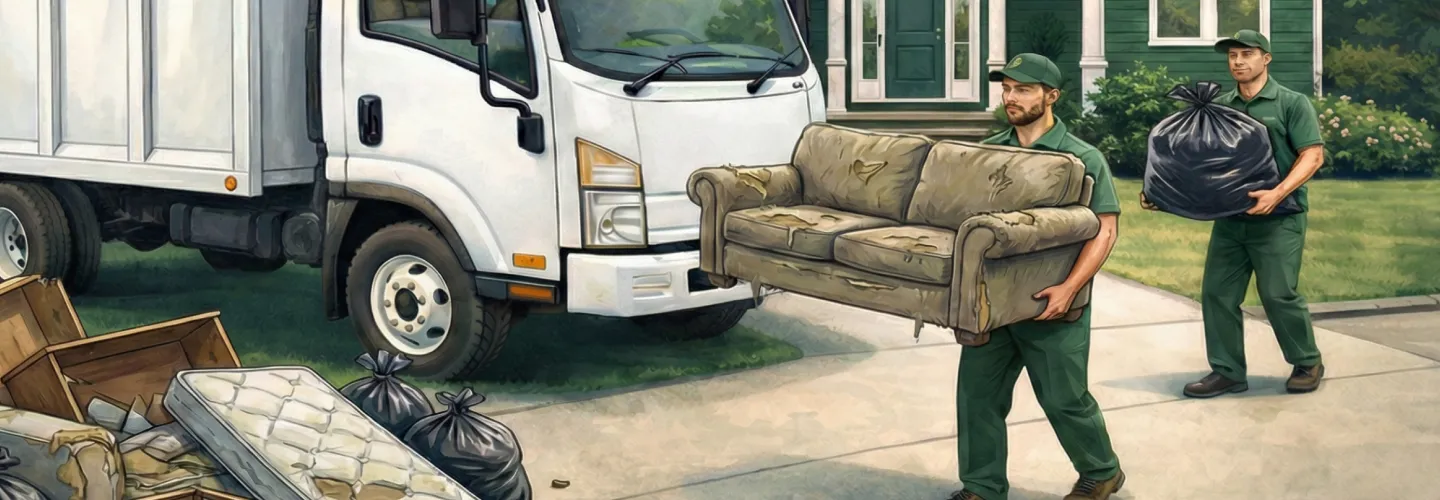
Sandy Springs Construction Waste Management Services
Choose our Construction Waste Management for hassle-free debris removal, eco-friendly disposal, and dependable service that keeps your project on track and your site clean.
Get a Free QuoteOur Sandy Springs Junk Removal Services
Construction Waste Management in Sandy Springs, GA – Local Service Guide
Construction waste management in Sandy Springs, GA, requires a tailored approach for both residential and commercial needs. In neighborhoods like Riverside and Dunwoody Panhandle, residents often need to dispose of bulky items—such as furniture, appliances, or hot tubs—during seasonal cleanouts, renovations, or after major life events. Local options include donation, recycling, or scheduled pickups, but access and weather can impact logistics, especially for large or heavy items. For residential spaces like garages, basements, and yards, spring and fall cleanouts are common, with yard waste peaking after storms or during leaf drop. Areas prone to flooding or with dense tree coverage, such as North Springs, may require more frequent service and attention to local pickup schedules.
Commercial properties in Sandy Springs’ business corridors face unique challenges. Offices, restaurants, and construction sites must manage higher volumes and often require discreet, timely removal to minimize disruption. Specialty services—like dumpsters for construction debris or coordinated estate cleanouts—demand careful planning and compliance with city regulations. For guidance on permits and disposal rules, consult the Sandy Springs Building & Construction page.
Key Considerations for Construction Waste Management in Sandy Springs
- Timing cleanouts with local events, seasons, or property transitions
- Securing necessary permits for large-scale or specialty disposal
- Using approved disposal and recycling channels
- Ensuring site access for large vehicles and equipment
- Estimating waste volume and selecting the right service size
- Coordinating with city schedules and category-specific requirements
Benefits of Construction Waste Management in Sandy Springs
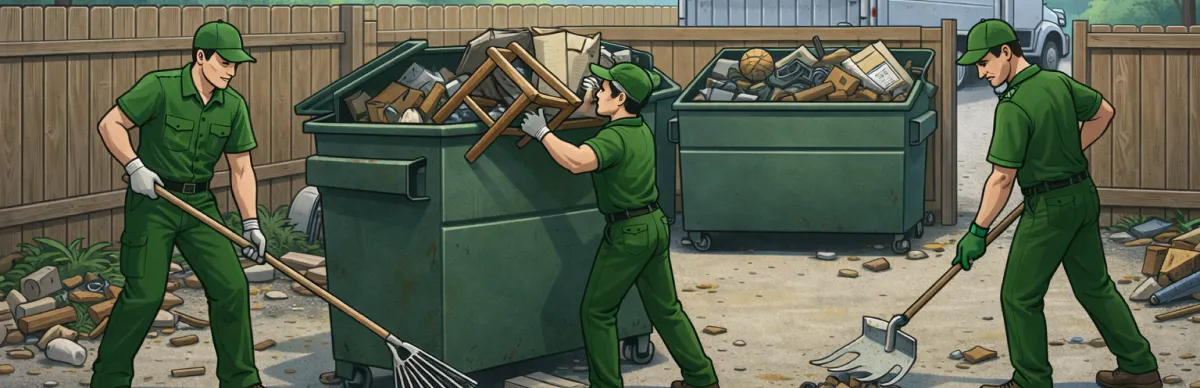
Efficient Debris Removal
Environmentally Responsible Disposal
Cost-Effective Waste Solutions
Compliance With Local Regulations
Improved Site Safety
Flexible Scheduling Options
Sandy Springs Building Permit Requirements for Construction Waste Disposal Projects
Construction and demolition projects in Sandy Springs require proper permitting before work begins, and waste disposal planning is a critical component of the approval process. The city's Building and Construction department oversees plan review, inspections, and code compliance for all residential and commercial construction activities. Before generating construction waste, property owners and contractors should confirm the following:
- Building permits are required for demolition, renovation, and new construction projects that produce debris such as drywall, lumber, concrete, roofing materials, and metal framing
- Demolition permits require documentation of waste hauling arrangements and disposal facility identification before issuance
- Pre-1978 structures must comply with the EPA Renovation, Repair, and Painting Rule for lead paint assessment and safe handling
- Asbestos surveys are required for older buildings prior to demolition; licensed abatement contractors must handle friable asbestos materials
- Code compliance inspections may verify that construction waste is being stored and removed according to city ordinances throughout the project duration
Sandy Springs Building and Construction Department
7840 Roswell Road, Sandy Springs, GA 30350
Phone: (770) 730-5600
Official Website: Sandy Springs Building & Construction
Failure to obtain proper permits before generating construction waste may result in code enforcement action, project stop-work orders, and fines.
Georgia's Solid Waste Management Act and Construction Debris Regulations
Georgia regulates construction and demolition waste under the Georgia Comprehensive Solid Waste Management Act (O.C.G.A. § 12-8-20), administered by the Georgia Environmental Protection Division. This legislation establishes the framework for how construction debris must be handled, transported, and disposed of throughout the state. Key regulatory requirements affecting Sandy Springs construction projects include:
- Construction and demolition (C&D) debris is classified separately from municipal solid waste and must be disposed of at facilities permitted to accept C&D materials
- Inert waste landfills may accept clean concrete, brick, block, and uncontaminated soil, but mixed C&D loads typically require disposal at lined C&D landfills
- Hazardous materials such as lead paint chips, asbestos-containing materials, treated wood, and chemical containers are prohibited from C&D disposal facilities and must be managed as hazardous waste
- Waste haulers transporting construction debris in Georgia must maintain proper licensing and deliver loads only to permitted disposal or recycling facilities
- Illegal dumping of construction waste carries penalties including fines up to $25,000 per day per violation under state law
Georgia Environmental Protection Division – Solid Waste Program
2 Martin Luther King Jr. Drive SE, Suite 1054, Atlanta, GA 30334
Phone: (404) 656-4713
Official Website: Georgia Environmental Protection Division
Contractors and property owners in Sandy Springs should verify that their waste hauler holds a valid Georgia solid waste handling permit before engaging services.
Material Sorting and Separation Requirements for Sandy Springs Construction Sites
Proper sorting and separation of construction waste materials is essential for regulatory compliance and landfill diversion in Sandy Springs. The Georgia Environmental Protection Division encourages source separation of recyclable construction materials, and many permitted C&D processing facilities require loads to be sorted before acceptance. Construction site managers should implement the following material handling practices:
- Concrete, brick, and masonry should be separated from mixed debris for recycling at inert waste processing facilities; clean concrete can often be crushed and reused as aggregate
- Scrap metal including steel framing, copper wiring, aluminum flashing, and iron rebar should be collected separately for recycling at licensed scrap metal facilities
- Clean wood that is unpainted and untreated may be accepted at wood recycling or mulching operations; treated lumber requires separate disposal due to chemical content
- Roofing shingles (asphalt) are accepted at select C&D recycling facilities in the metro Atlanta area for processing into road base material
- Drywall and gypsum board should be kept dry and separated, as some facilities recycle clean drywall into new products or agricultural amendments
- Mixed C&D loads containing unsorted materials may incur higher disposal fees at transfer stations and landfills
Maintaining separate collection areas on the construction site for each material category reduces contamination and disposal costs while supporting Sandy Springs's environmental stewardship goals.
Stormwater Compliance and Pollution Prevention on Sandy Springs Construction Sites
Construction waste management in Sandy Springs is closely tied to stormwater and erosion control requirements. The city's Stormwater Program enforces regulations to prevent construction debris, sediment, and pollutants from entering local waterways and storm drainage systems. Sandy Springs lies within the Chattahoochee River watershed, making environmental compliance particularly important. Construction site operators must address the following:
- Erosion and sediment control plans are required for land-disturbing activities and must account for construction waste storage areas to prevent runoff contamination
- Construction debris must not be placed near storm drains, stream buffers, or drainage channels where materials could wash into waterways during rain events
- Washout areas for concrete trucks and equipment must be designated and contained to prevent alkaline runoff from reaching stormwater infrastructure
- Stockpiled materials such as soil, sand, and gravel must be covered or contained with silt fencing to prevent erosion and sediment discharge
- Spill prevention protocols are required for fuel, oil, paint, and chemical storage on construction sites
Sandy Springs Stormwater Program
7840 Roswell Road, Sandy Springs, GA 30350
Phone: (770) 730-5600
Official Website: Sandy Springs Stormwater Program
The city's Natural Resource Protection division also monitors stream buffer encroachment and may inspect construction sites for waste management compliance. Violations of stormwater regulations can result in stop-work orders and fines.
Hazardous Material Handling and OSHA Safety Standards for Construction Debris Removal
Construction waste in Sandy Springs frequently contains hazardous materials that require specialized handling procedures to protect workers, residents, and the environment. Federal and state regulations impose strict requirements on the identification, removal, and disposal of these materials. Key safety and compliance considerations include:
- Asbestos-containing materials found in older buildings (insulation, floor tiles, pipe wrap) must be identified through professional surveys before demolition; removal requires a Georgia-licensed asbestos abatement contractor and disposal at an approved facility
- Lead-based paint in pre-1978 structures must be managed under EPA RRP Rule requirements; certified renovators must use lead-safe work practices during disturbance activities
- OSHA construction safety standards (29 CFR 1926) require personal protective equipment, fall protection, and proper material handling procedures for workers involved in debris removal
- Chemical waste including solvents, adhesives, paints, and sealants from construction sites is classified as hazardous waste and must be disposed of through licensed hazardous waste facilities
- Refrigerant-containing equipment such as HVAC units removed during renovation must have refrigerants recovered by EPA Section 608-certified technicians before disposal
Sandy Springs Fire Department
7840 Roswell Road, Sandy Springs, GA 30350
Phone: (770) 730-5600
Official Website: Sandy Springs Fire Department
The Sandy Springs Fire Department can provide guidance on hazardous material incidents on construction sites. For household hazardous waste collection events in Fulton County, residents and contractors should contact the county's environmental services division.
What Neighborhoods Do We Serve Throughout Sandy Springs, GA?
- North Springs: Predominantly single-family residential properties with established tree canopy. Construction renovation projects in this area may require coordination with the city's tree protection regulations when debris removal equipment needs access near protected trees.
- Riverside: Located along the Chattahoochee River corridor, construction projects here face heightened stormwater and stream buffer compliance requirements. Waste staging areas must be positioned away from floodplain boundaries and riparian buffers.
- Dunwoody Place: A mix of older single-family homes and townhome communities where renovation debris from pre-1980s structures may require asbestos and lead paint assessments before demolition waste can be removed.
- Hammond Drive Corridor: This commercial and mixed-use district generates significant construction waste from office buildouts, retail renovations, and multi-story development projects requiring coordinated waste hauling schedules to minimize traffic disruption.
- Mount Vernon: Established residential neighborhood with mature landscaping and narrow lot configurations. Construction debris removal may require smaller vehicles and careful site access planning to protect adjacent properties.
- Heards Ferry: Features larger residential lots with longer driveways, generally providing better access for construction waste hauling vehicles. Renovation projects in this area commonly produce roofing, siding, and deck demolition debris.
- City Springs District: The city's downtown core with ongoing mixed-use development and redevelopment activity. Construction waste management here requires attention to community development guidelines, pedestrian safety, and coordination with adjacent businesses during debris removal operations.