
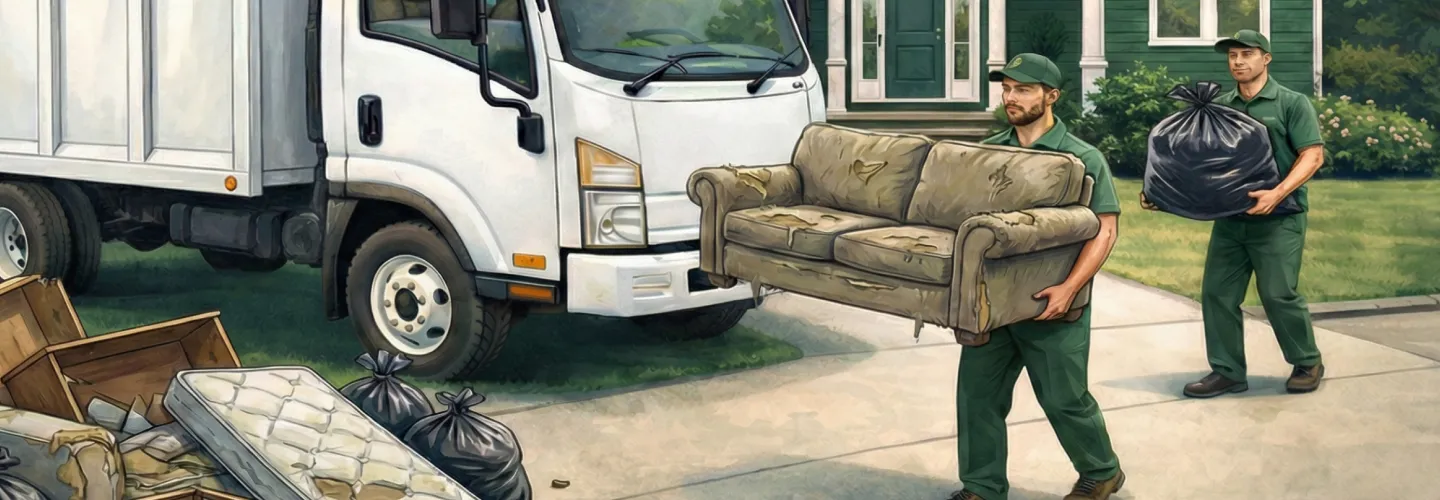
Sandy Springs Foreclosure Clean Outs Services
Choose our foreclosure clean out services for prompt, thorough, and stress-free property cleanups—restoring homes to market-ready condition with care and professionalism.
Get a Free QuoteOur Sandy Springs Junk Removal Services
Foreclosure Clean Outs in Sandy Springs, GA – Local Service Guide
Foreclosure clean outs in Sandy Springs, GA require a strategic approach tailored to local neighborhoods like Riverside, Dunwoody Panhandle, and North Springs. For residential items such as furniture, mattresses, appliances, and hot tubs, clean outs often coincide with property turnovers, seasonal moves, or after major life events. In Sandy Springs, spring and summer are peak times due to increased real estate activity and weather that allows for easier access and removal. Items are typically sorted for donation, recycling, or disposal, with logistics influenced by driveway access, weather, and item size.
Residential spaces like garages, basements, and yards often need attention after storms or during annual cleanups, especially in flood-prone or tree-heavy areas. Commercial properties in areas like Roswell Road or Perimeter Center face unique needs—restaurants and offices may require discreet, after-hours service and can generate high volumes of waste. Specialty clean outs, including foreclosures, demand careful planning, coordination with property managers, and adherence to local disposal regulations. For more on local requirements, visit the Sandy Springs Community Development page.
Benefits of Foreclosure Clean Outs in Sandy Springs
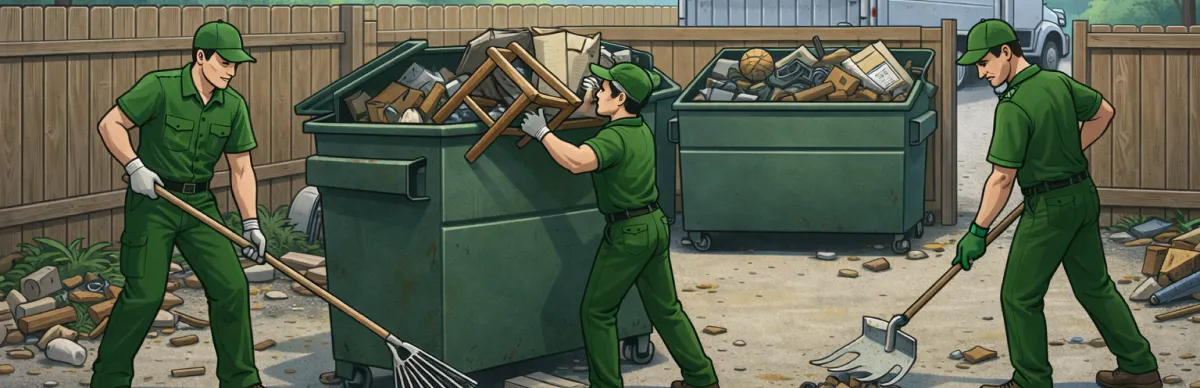
Fast Turnaround Times
Comprehensive Property Cleaning
Experienced Clean Out Professionals
Eco-Friendly Disposal Solutions
Flexible Scheduling Options
Affordable Foreclosure Clean Out Rates
Coordinating Foreclosure Clean Outs with Sandy Springs Code Enforcement and Property Standards
Foreclosure clean outs in Sandy Springs require careful coordination with the city's code compliance division to ensure abandoned properties meet municipal standards. Properties in foreclosure often accumulate debris, overgrown vegetation, and deteriorating materials that trigger code violations. Before initiating a clean out, responsible parties should verify the property's compliance status and any outstanding violations through the city's Community Development department.
- Property registration: Lenders and servicers managing foreclosed properties must maintain exterior conditions per Sandy Springs property maintenance ordinances
- Violation abatement: Outstanding code violations for trash accumulation, overgrown yards, or structural hazards must be addressed during the clean out process
- Inspection coordination: Schedule post-clean-out inspections to confirm compliance and close open violation cases
- Yard maintenance: Tree removal and vegetation clearing may require permits under Sandy Springs tree protection regulations
- Timeline requirements: Code violations typically carry specific abatement deadlines; failure to comply may result in municipal liens or fines
Sandy Springs Community Development
7840 Roswell Road, Sandy Springs, GA 30350
Phone: (770) 730-5600
Official Website: Sandy Springs Community Development
Property owners and bank-appointed servicers should also consult the city's Building and Construction department if the clean out involves structural repairs, demolition of attached structures, or removal of building components such as cabinetry, plumbing fixtures, or HVAC systems that may require permits.
Georgia Solid Waste Management Act Compliance for Foreclosure Debris Disposal
All waste generated during foreclosure clean outs in Sandy Springs must be handled in accordance with the Georgia Comprehensive Solid Waste Management Act (O.C.G.A. § 12-8-20) and regulations enforced by the Georgia Environmental Protection Division (GA EPD). This state framework governs the transportation, sorting, and disposal of residential and commercial solid waste, including materials commonly found in foreclosed properties.
- Transporter requirements: Commercial haulers removing foreclosure debris must hold valid solid waste handling permits issued by GA EPD
- Manifest documentation: Loads of mixed waste must be transported to permitted disposal facilities; illegal dumping carries penalties of up to $25,000 per day under Georgia law
- Hazardous waste separation: Paints, solvents, pesticides, cleaning chemicals, and automotive fluids found in foreclosed homes must be separated and disposed of through authorized hazardous waste channels
- Appliance handling: Refrigerators, air conditioners, and dehumidifiers require refrigerant recovery by an EPA Section 608-certified technician before disposal
- Construction debris: Drywall, roofing materials, and lumber removed during property rehabilitation must go to facilities permitted to accept construction and demolition waste
Fulton County operates household hazardous waste collection events periodically for residents; however, commercial quantities generated during foreclosure clean outs typically require disposal through licensed hazardous waste contractors.
Hazardous Material Identification and Safe Handling in Sandy Springs Foreclosed Properties
Foreclosed properties in Sandy Springs frequently contain hazardous materials that require specialized identification and handling protocols before general clean out work can proceed. Many homes in the city were constructed prior to 1978, making lead-based paint a significant concern. The EPA Renovation, Repair, and Painting Rule mandates that any disturbance of painted surfaces in pre-1978 structures follow lead-safe work practices performed by EPA-certified renovators.
- Lead paint: Scraping, sanding, or demolishing painted surfaces in older homes requires containment, HEPA filtration, and proper debris packaging per EPA RRP Rule
- Asbestos: Floor tiles, pipe insulation, popcorn ceilings, and siding in pre-1980 homes may contain asbestos; a licensed inspector must conduct surveys before material removal
- Mold remediation: Foreclosed homes left without climate control often develop mold; extensive growth may require professional remediation following industry standards
- Biological hazards: Properties with pest infestations, animal waste, or unsanitary conditions require appropriate personal protective equipment and decontamination procedures
- Propane and fuel: Abandoned gas grills, fuel containers, and heating oil tanks must be handled by qualified personnel and cannot be placed in standard waste streams
Sandy Springs Fire Department
7840 Roswell Road, Sandy Springs, GA 30350
Phone: (770) 730-5600
Official Website: Sandy Springs Fire Department
Contact the Sandy Springs Fire Department for guidance on abandoned fuel containers or suspected chemical hazards discovered during property clean outs.
Recycling and Donation Diversion Strategies for Sandy Springs Foreclosure Clean Outs
Foreclosure clean outs generate substantial volumes of reusable and recyclable materials that should be diverted from landfills whenever possible. Sandy Springs participates in Fulton County's recycling infrastructure, and clean out crews should prioritize material separation to support Georgia's waste reduction goals and reduce disposal costs.
- Furniture and household goods: Usable items such as tables, chairs, dressers, and kitchenware can be donated to local organizations including Habitat for Humanity ReStore locations in the greater Atlanta area, which accept drop-offs of building materials and household furnishings
- Electronics recycling: Computers, televisions, printers, and other electronic devices should not be placed in standard waste; Fulton County provides periodic e-waste collection events, and private certified e-waste recyclers operate throughout metro Atlanta
- Scrap metal recovery: Appliances, metal fixtures, gutters, and plumbing components contain recoverable metals; licensed scrap facilities accept these materials and may offset disposal costs
- Mattress disposal: Mattresses and box springs require separate handling; Georgia does not have a mattress EPR program, so these items must go to facilities that accept bulky waste
- Yard waste: Branches, leaves, and vegetation cleared during exterior clean up should be separated from household debris for composting or mulching
Sandy Springs Natural Resource Protection
7840 Roswell Road, Sandy Springs, GA 30350
Phone: (770) 730-5600
Official Website: Sandy Springs Natural Resource Protection
The city's Stormwater Program also requires that clean out operations prevent debris, sediment, and pollutants from entering storm drains during exterior property work.
Permits and Property Access Considerations for Foreclosure Clean Outs in Sandy Springs
Foreclosure clean out operations in Sandy Springs involve specific permitting and access requirements that must be addressed before work begins. The legal authority to access and clear a foreclosed property must be established through proper documentation, and municipal permits may be required depending on the scope of work.
- Property access authorization: Clean out crews must carry written authorization from the lien holder, bank, or asset management company; unauthorized entry constitutes trespassing under Georgia law
- Building permits: If the clean out includes removal of built-in fixtures, structural components, or demolition of outbuildings, a building permit from Sandy Springs is required
- Tree removal permits: Sandy Springs enforces tree protection ordinances; removal of trees with a diameter at breast height of six inches or greater on the property typically requires a permit
- Right-of-way use: Trucks and equipment staged on public streets or sidewalks may require coordination with Sandy Springs Works for temporary right-of-way use
- Noise restrictions: Clean out operations should comply with Sandy Springs noise ordinances; heavy equipment and power tools are generally restricted during early morning and late evening hours
Sandy Springs Works
7840 Roswell Road, Sandy Springs, GA 30350
Phone: (770) 730-5600
Official Website: Sandy Springs Works
For properties requiring tree removal during exterior clean up, consult the city's Tree Protection and Yard Maintenance guidelines before beginning work.
What Neighborhoods Do We Serve Throughout Sandy Springs, GA?
- North Springs: This area features a mix of established single-family homes built from the 1960s through 1980s, many with mature tree canopies that may require trimming for truck access. Foreclosed properties here often contain decades of accumulated household goods requiring comprehensive interior clean outs.
- Riverside: Located along the Chattahoochee River corridor, properties in this neighborhood may have steep driveways and limited turnaround space for large removal vehicles. Stormwater protection measures are particularly important given proximity to waterways and stream buffers.
- Hammond Drive Corridor: This mixed-use area includes condominiums and townhome communities with HOA regulations governing exterior work schedules, debris staging, and vehicle parking during clean out operations. Building management coordination and service elevator access are often required.
- Mount Vernon: Featuring larger estate-style properties on wooded lots, foreclosure clean outs in this neighborhood frequently involve extensive yard debris removal alongside interior work. Tree protection ordinances apply to specimen trees throughout the area.
- Dunwoody Place: This neighborhood contains mid-century ranch homes with single-car driveways and narrow lot frontages. Clean out crews should plan for limited staging areas and may need to coordinate street parking for additional vehicles.
- Powers Ferry: A blend of older residential properties and newer developments characterizes this area near the city's western boundary. Properties in foreclosure may include both residential structures and accessory buildings requiring separate clean out and debris categorization.