
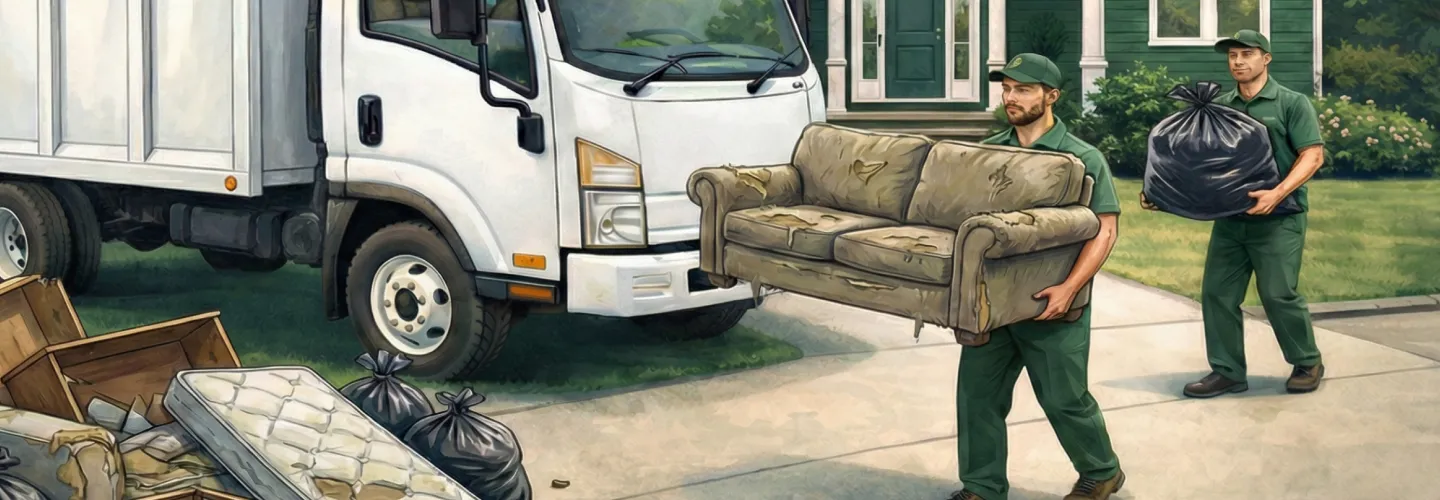
Sandy Springs Restaurants Junk Removal Services
Choose our Restaurants Junk Removal for prompt, professional service that keeps your dining space clean, compliant, and clutter-free—so you can focus on serving your customers.
Get a Free QuoteOur Sandy Springs Junk Removal Services
Restaurants Junk Removal in Sandy Springs, GA – Local Service Guide
Restaurants in Sandy Springs, GA, face unique junk removal challenges due to high customer turnover, frequent renovations, and strict health codes. Whether you’re in bustling City Springs, the Perimeter Center business district, or along Roswell Road, timely and discreet removal of old kitchen equipment, furniture, and bulk waste is essential to keep operations running smoothly. Local regulations require proper disposal and recycling, especially for appliances and electronics, making it crucial to partner with a service familiar with Sandy Springs’ commercial waste guidelines. Many restaurants schedule pickups after hours or between shifts to minimize disruption. For larger projects, such as full remodels or seasonal cleanouts, advanced planning and coordination with property managers or neighboring businesses is often necessary. For more information on local disposal rules and resources, visit the Sandy Springs Works page.
Key Considerations for Restaurants Junk Removal in Sandy Springs
- Timing pickups to avoid peak service hours and ensure minimal business interruption
- Securing any required permits for large-scale disposals or dumpsters
- Using approved disposal and recycling channels for commercial waste
- Navigating tight access points in busy areas like City Springs or Abernathy Square
- Estimating volume accurately for efficient removal and cost control
- Coordinating with building management and city services for smooth logistics
Benefits of Restaurants Junk Removal in Sandy Springs
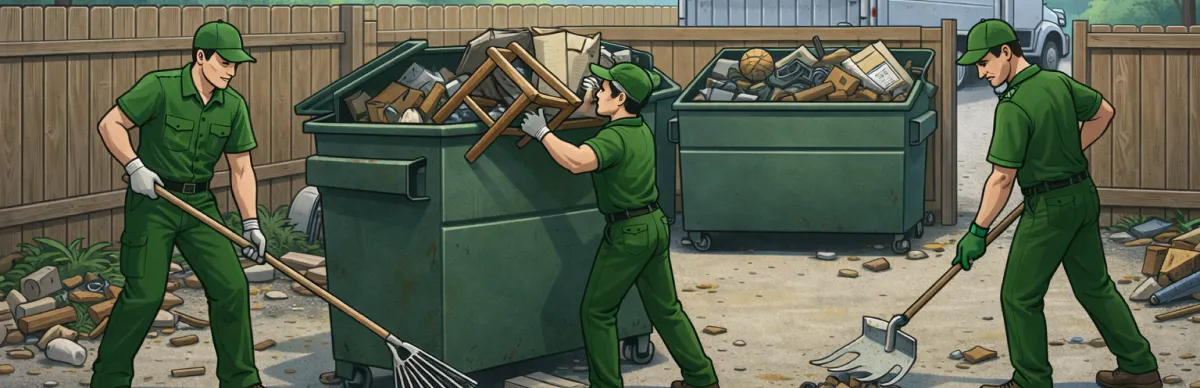
Fast and Reliable Service
Eco-Friendly Disposal Solutions
Flexible Scheduling Options
Licensed and Insured Team
Competitive Pricing
Comprehensive Junk Removal
Coordinating Restaurant Equipment Disposal with Sandy Springs Public Works and Code Compliance
Restaurant closures, renovations, and kitchen upgrades in Sandy Springs generate substantial volumes of commercial waste requiring proper coordination with municipal authorities. The City of Sandy Springs manages public infrastructure and code compliance through dedicated departments that oversee commercial waste handling within city limits. Restaurant operators must ensure that all discarded equipment, fixtures, and materials are removed in accordance with local ordinances and Georgia solid waste regulations. Key considerations for restaurant junk removal include:
- Commercial waste classification: Restaurant equipment such as fryers, ovens, refrigeration units, and exhaust hoods must be categorized correctly for disposal or recycling
- Scheduling requirements: Removal activities in commercial zones must comply with Sandy Springs noise ordinances, typically restricting heavy loading operations before 7:00 AM and after 9:00 PM
- Right-of-way coordination: Trucks staging on public streets or sidewalks for equipment loading require advance coordination with the city
- Grease trap and plumbing waste: Grease interceptors and associated plumbing components require specialized handling separate from general debris
Sandy Springs Works (Public Infrastructure)
7840 Roswell Road, Sandy Springs, GA 30350
Phone: (770) 730-5600
Official Website: Sandy Springs Works
Georgia Solid Waste Management Act Compliance for Restaurant Debris Disposal
Restaurant junk removal in Sandy Springs must comply with the Georgia Comprehensive Solid Waste Management Act (O.C.G.A. § 12-8-20) administered by the Georgia Environmental Protection Division (GA EPD). This state law establishes the regulatory framework governing how commercial waste—including restaurant fixtures, kitchen equipment, and renovation debris—must be handled, transported, and disposed of throughout the state. Restaurant operators and haulers should be aware of the following requirements:
- Permitted disposal facilities: All restaurant waste must be delivered to facilities holding valid Georgia solid waste handling permits; illegal dumping carries penalties of up to $25,000 per day per violation under state law
- Transporter requirements: Commercial haulers removing restaurant junk must maintain proper licensing and insurance as required by Georgia regulations
- Refrigerant-containing equipment: Walk-in coolers, reach-in refrigerators, and ice machines contain refrigerants regulated under EPA Section 608, requiring certified technician recovery before disposal
- Hazardous material separation: Cleaning chemicals, solvents, fluorescent lighting tubes, and mercury-containing thermostats must be separated from general waste and disposed of through authorized hazardous waste channels
Georgia Environmental Protection Division – Solid Waste Program
2 Martin Luther King Jr. Drive SE, Suite 1054, Atlanta, GA 30334
Phone: (404) 656-4713
Official Website: Georgia Environmental Protection Division
Sandy Springs Building Permits and Fire Code Requirements for Restaurant Renovation Debris
Restaurant renovation and demolition projects in Sandy Springs that generate junk removal needs often require building permits and fire department coordination. The Sandy Springs Community Development Department oversees permitting for interior demolition, structural modifications, and tenant buildout projects that produce significant waste volumes. Before initiating restaurant junk removal tied to renovation work, operators should verify the following:
- Demolition permits: Interior demolition of restaurant spaces—including removal of built-in booths, bar structures, walk-in cooler enclosures, and commercial kitchen hoods—may require a permit through Sandy Springs Building & Construction
- Asbestos surveys: Restaurants in buildings constructed before 1980 may contain asbestos in floor tiles, pipe insulation, or ceiling materials; Georgia requires a thorough inspection before demolition activities begin
- Fire suppression systems: Removal of commercial kitchen exhaust hoods connected to fire suppression systems requires coordination with the Sandy Springs Fire Department to ensure proper decommissioning
- Stormwater protection: Debris removal activities must not allow waste materials to enter storm drains, per the Sandy Springs Stormwater Program requirements
Sandy Springs Community Development
7840 Roswell Road, Sandy Springs, GA 30350
Phone: (770) 730-5600
Official Website: Sandy Springs Community Development
Recycling and Material Recovery Options for Restaurant Equipment in Sandy Springs
Responsible restaurant junk removal in Sandy Springs should prioritize recycling and material recovery to divert reusable items from landfills. Commercial kitchen equipment, stainless steel fixtures, and electronic components all carry significant recycling value. Georgia does not currently mandate commercial recycling, but Fulton County and regional programs offer pathways for proper material recovery. Restaurant operators should consider the following disposal hierarchy:
- Scrap metal recovery: Stainless steel prep tables, shelving units, exhaust hoods, and equipment frames are highly recyclable; local scrap metal facilities accept these materials, often at no charge or for payment based on weight
- Appliance recycling: Commercial refrigerators, freezers, dishwashers, and ice machines should be processed through certified recyclers who can recover refrigerants and recycle steel, copper, and aluminum components
- Electronics and POS systems: Point-of-sale terminals, monitors, and computer equipment are classified as e-waste; Georgia encourages responsible recycling through EPA Region 4 guidelines
- Furniture and fixture donation: Usable tables, chairs, booths, and smallwares may be donated to nonprofit organizations such as local Habitat for Humanity ReStores, reducing disposal costs while supporting community programs
- Cooking oil and grease: Used cooking oil must be collected by licensed rendering companies and cannot be disposed of in general waste streams or storm drains
Safe Handling of Hazardous Materials During Sandy Springs Restaurant Cleanouts
Restaurant junk removal frequently involves hazardous materials that require specialized handling to protect workers, the public, and the environment. Sandy Springs restaurant operators and removal crews must identify and properly manage these materials before, during, and after cleanout operations. OSHA workplace safety standards apply to all commercial removal activities, and failure to comply can result in significant penalties. Common hazardous materials encountered during restaurant junk removal include:
- Cleaning chemicals and solvents: Industrial degreasers, oven cleaners, and sanitizing agents are classified as hazardous waste and must be transported to authorized collection facilities; they cannot be placed in standard waste containers
- Fluorescent lighting: T8 and T12 fluorescent tubes commonly found in restaurant kitchens contain mercury and are prohibited from landfill disposal in many jurisdictions; recycling through certified lamp recyclers is required
- Lead paint: Restaurants in older Sandy Springs buildings constructed before 1978 may have lead-based paint on walls and trim; removal must follow EPA Lead-Safe Renovation Rule requirements
- Propane tanks and compressed gas cylinders: These items are universally prohibited from landfill disposal and must be returned to suppliers or processed through hazardous waste collection programs
- Fire suppression chemicals: Wet and dry chemical fire suppression agents from kitchen hood systems require specialized disposal by licensed contractors
Sandy Springs Fire Department
7840 Roswell Road, Sandy Springs, GA 30350
Phone: (770) 730-5600
Official Website: Sandy Springs Fire Department
What Neighborhoods Do We Serve Throughout Sandy Springs, GA?
- City Springs District: Sandy Springs' downtown core features a concentration of restaurants in mixed-use developments with structured parking and loading dock access. Removal crews should coordinate with property management for service elevator reservations and after-hours loading schedules to minimize disruption to adjacent retail tenants.
- Roswell Road Corridor: This major commercial thoroughfare contains numerous strip-center restaurants and standalone dining establishments. Street-front loading may require coordination with Sandy Springs traffic operations due to high vehicle volumes, and rear-alley access varies significantly by property.
- Perimeter Center: High-rise office and hotel complexes along the Perimeter Mall area include restaurant tenants with strict building access protocols. Freight elevator scheduling, certificate of insurance requirements, and loading dock time windows are standard considerations for equipment removal projects.
- Hammond Drive Area: A growing restaurant and retail corridor with newer construction and generally accessible parking lots. Building access is typically straightforward, though coordinating removal during off-peak hours helps avoid conflicts with neighboring businesses.
- Riverside/Powers Ferry: This area includes older commercial properties and freestanding restaurant buildings near the Chattahoochee River. Proximity to the river corridor requires heightened attention to Sandy Springs Natural Resource Protection regulations, particularly regarding debris containment and stormwater runoff prevention.
- Mount Vernon Highway Corridor: A mix of neighborhood restaurants and small commercial centers characterizes this area. Narrower lot configurations and residential adjacency require careful truck staging and noise-conscious scheduling during removal operations.